
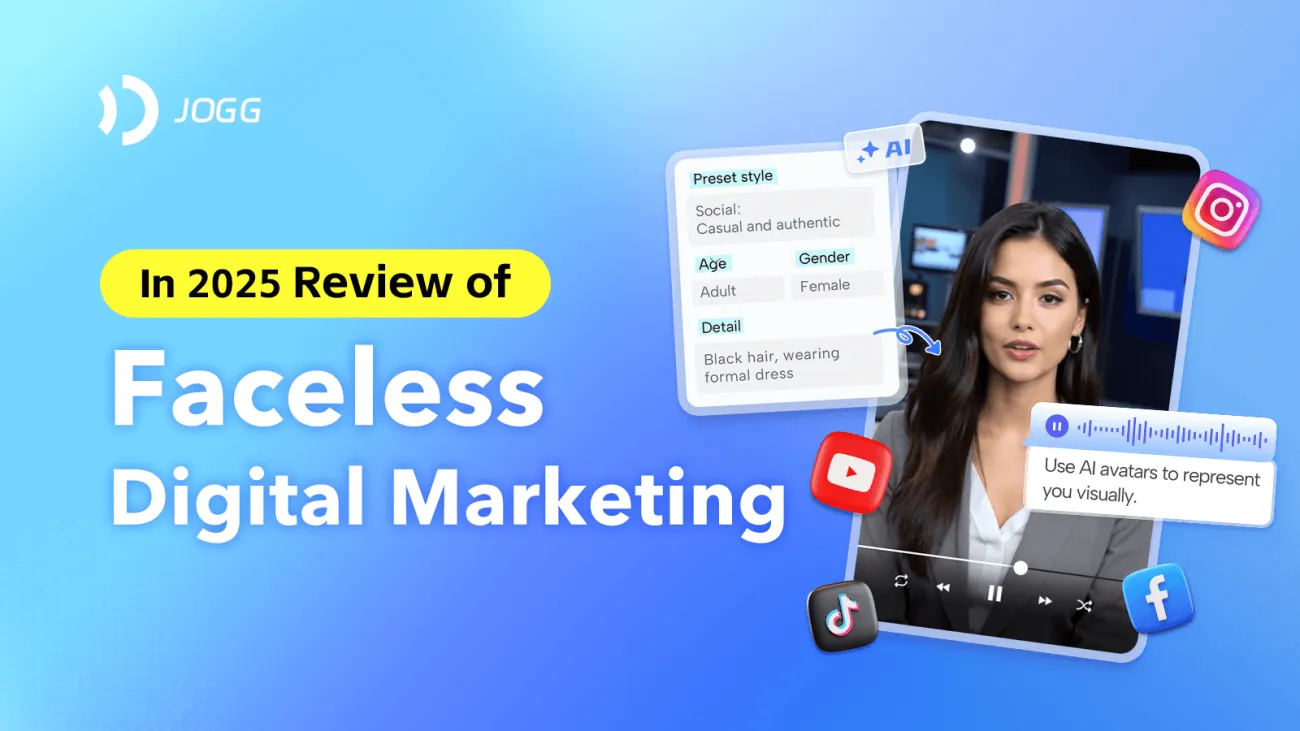
Faceless digital marketing represents a transformative approach where brands connect with audiences without relying on personal identities or faces. This strategy has gained immense relevance in 2025 as businesses prioritize privacy, automation, and scalability. With the global digital advertising market projected to hit $786.2 billion by 2026 and 63% of businesses increasing their budgets, faceless marketing offers a powerful way to stay competitive. By focusing on automation and niche targeting, you can build a strong brand presence while addressing modern consumer expectations.
What is Faceless Digital Marketing?

Definition and Core Concept
Faceless digital marketing focuses on promoting a brand without relying on personal identities or spokespersons. Instead, it emphasizes the brand’s message, value proposition, and engaging storytelling to connect with audiences. This approach allows businesses to maintain a consistent identity that resonates with their target market. By prioritizing privacy and scalability, faceless marketing ensures that brands can adapt to changing consumer expectations while protecting their reputation.
Faceless marketing offers several advantages. It allows brands to connect with a wider audience by focusing on products and services rather than individual personalities. This strategy also minimizes risks associated with personal controversies and ensures longevity, as the brand is not tied to a single person’s image. Additionally, faceless marketing encourages collaboration and highlights the collective strength of a team.
Types of Faceless Marketing Content
Faceless marketing thrives on diverse content formats that engage audiences without relying on personal appearances. Here are some popular types of faceless marketing content:
- Data analysis and charts for industries like finance and investing.
- Tutorials and screen recordings for tech and software companies.
- Transformation videos for home improvement projects.
- Overhead recipe videos for cooking and recipe blogs.
- Gameplay footage for gaming enthusiasts.
- Destination imagery for travel-related content.
- Demonstration videos for product reviews.
Mixing these content types can significantly boost engagement. Studies show that combining multiple formats increases audience interaction by 180% compared to single-format approaches. This variety ensures that your brand remains dynamic and appealing to different audience segments.
Examples of Faceless Marketing in Action
Many successful brands have embraced faceless marketing to build trust and captivate audiences. For instance, Coca-Cola focuses on storytelling and emotional connections rather than using a spokesperson. This approach has helped the company maintain its global leadership in branding. Similarly, Nike’s iconic “Just Do It” slogan inspires and empowers audiences without relying on a single face. Apple, on the other hand, highlights its products through minimalist marketing, emphasizing innovation and design.
Other examples include a tech product launch that used mysterious ads to create buzz, leading to increased website traffic and pre-orders. A sustainable brand leveraged customer testimonials in a faceless campaign to enhance credibility and trust. Additionally, a food and beverage company introduced a virtual mascot, significantly boosting brand recognition and sales.
Faceless marketing demonstrates that anonymity can be a powerful tool for building connections. By focusing on storytelling and delivering value, you can create a lasting impact without relying on traditional spokespersons.
Why Faceless Digital Marketing is Important in 2025

1. Privacy & Trust in the Spotlight
By 2025, consumers prioritize privacy more than ever. Faceless marketing minimizes reliance on personal identities, protecting both brands and audiences from data risks. It builds trust through consistent messaging and transparency—share mission statements, engage communities with feedback, and use encrypted tools to address privacy concerns. While anonymity can create initial skepticism, storytelling and testimonials bridge the gap, fostering loyalty without compromising confidentiality.
2. AI & Automation Drive Efficiency
AI reshapes faceless strategies by automating content creation, customer service (e.g., chatbots), and hyper-targeted campaigns. Tools analyze data to predict trends, optimize ads, and personalize interactions at scale. For example, AI-generated videos or automated email sequences ensure 24/7 engagement, freeing teams to focus on strategy. This efficiency lets brands compete globally while maintaining a cohesive identity.
3. Dominating Niche Markets
Faceless marketing thrives in micro-targeted niches. By addressing specific needs—like “Shopify email automation” or “office desk workouts”—brands resonate deeply with underserved audiences. This precision reduces resource waste and builds authority. Diversifying within niches (e.g., tech, eCommerce) also mitigates risks, creating resilient, adaptable business models.
4. Scalability Without Limits
Removing dependency on personal branding unlocks rapid growth. Automation tools handle repetitive tasks (social posts, analytics), while AI avatars deliver human-like engagement. Brands scale faster without influencer costs, redirecting budgets to R&D or customer retention. Studies show faceless campaigns adapt quicker to trends, ensuring long-term relevance.
5. Universal Appeal
A neutral brand identity transcends cultural or personal biases, appealing to diverse demographics. Focus on universal values (sustainability, innovation) and inclusive storytelling fosters emotional connections. This approach is particularly effective in industries like finance or education, where credibility outweighs celebrity endorsements.
Key Factors for Success in Faceless Digital Marketing
Consistency in Messaging and Content
Consistency is the backbone of successful faceless marketing. Maintaining clear and consistent messaging across all platforms ensures your audience recognizes and trusts your brand. A strong branding strategy, including a distinct voice and visual elements, helps differentiate your business in the crowded digital space. Regular posting schedules and high-quality content further enhance audience engagement.
Building a brand community is another critical step. Engaging with your audience fosters loyalty and provides valuable insights into their preferences. For example, sharing user-generated content or responding to feedback creates a sense of belonging. This approach not only strengthens your connection with your audience but also reinforces your brand identity.
To achieve consistency, you should align your content strategy with your brand values. Tailor your messaging to resonate with your target audience while maintaining a unified tone. This approach builds trust and ensures your brand remains memorable.
Building Trust Without a Personal Identity
Building trust in faceless digital marketing requires a focus on authenticity and transparency. Consumers value brands that communicate openly and deliver on their promises. Sharing your mission, values, and processes helps establish credibility. For instance, showcasing customer testimonials or case studies highlights your brand’s impact and reliability.
Engaging with your community is equally important. Responding to feedback and encouraging user-generated content fosters emotional connections. GoPro, for example, effectively uses user-generated videos to build trust without relying on individual personalities. This strategy demonstrates that authenticity can replace the need for a personal identity.
High-quality content also plays a vital role in building trust. Consistent messaging and valuable information enhance your brand’s reputation. By prioritizing transparency and community engagement, you can overcome the challenges of faceless marketing and create a loyal following.
Leveraging Data and Analytics
Data and analytics are essential tools for optimizing faceless marketing strategies. Platforms like Google Analytics help you track website performance and audience behavior. Monitoring key performance indicators (KPIs) allows you to assess the effectiveness of your campaigns and make data-driven decisions.
Regular performance reports provide insights into what works and what doesn’t. Testing and optimizing your campaigns based on these insights ensures continuous improvement. For example, analyzing user behavior can help you refine your messaging to better resonate with your audience.
Comprehensive analytics tools also enable you to identify trends and predict future opportunities. By leveraging data, you can create targeted campaigns that align with your audience’s preferences. This approach not only enhances engagement but also ensures your faceless brand remains competitive in the digital landscape.
Effective Use of AI Tools
AI tools have revolutionized faceless digital marketing by enhancing efficiency and precision. These tools allow you to automate repetitive tasks, analyze data, and create engaging content without relying on personal branding. To maximize their potential, you need to understand how to use them effectively.
Start by leveraging advanced analytics tools like Google Analytics 4. This platform provides deeper insights into user behavior while maintaining privacy. For example, you can track how visitors interact with your website, identify high-performing content, and optimize your campaigns. According to McKinsey’s 2023 Digital Marketing Survey, companies using such tools saw a 45% increase in brand trust. This demonstrates the power of data-driven decision-making in building credibility.
AI-powered content creation tools also play a crucial role. Platforms like Jasper AI and Copy.ai help you generate high-quality blog posts, social media captions, and ad copy in minutes. These tools use natural language processing to create content that resonates with your audience. By automating content creation, you save time and maintain consistency across all channels.
Automation tools like HubSpot and ActiveCampaign streamline email marketing and customer relationship management. They enable you to send personalized messages based on user behavior, ensuring timely and relevant communication. This approach not only improves engagement but also fosters loyalty.
To succeed, you must choose tools that align with your goals. Focus on platforms that offer scalability, user-friendly interfaces, and robust analytics. Regularly evaluate their performance to ensure they meet your needs. By effectively using AI tools, you can enhance your faceless marketing strategy and stay ahead in the competitive digital landscape.
How to Start Faceless Digital Marketing
Identifying a Niche and Target Audience
To succeed in faceless marketing, you must first identify a niche and target audience. Start by analyzing underserved market segments. These niches often have less competition and allow you to tailor your messaging effectively. For example, focusing on “organic skincare for teens” instead of general skincare can help you stand out. Use tools like Google Trends or social media analytics to uncover high-demand faceless business niches.
Market segmentation studies reveal that niche selection improves resource allocation and audience engagement. Diversifying your offerings within a niche also enhances resilience. For instance, a digital product business targeting “eLearning for corporate skills” can expand into related areas like leadership training or team-building courses.
By understanding your audience’s needs and preferences, you can craft messaging that resonates deeply. This approach not only builds trust but also positions your brand as a leader in your chosen niche.
Developing a Product or Service for Your Niche
Once you’ve identified your niche, focus on creating a product or service that meets its unique needs. A highly targeted offering fosters community and brand resonance. For example, Acme Cybersecurity Solutions specializes in protecting small and medium enterprises, addressing a specific pain point in the tech industry.
Tailored products attract consumers and allow for premium pricing. Effective use of marketing channels ensures your message reaches the right audience. For instance, leveraging LinkedIn for a B2B digital product business can yield better results than using Instagram. By aligning your offerings with your audience’s preferences, you can create a sustainable faceless business model.
Establishing a Faceless Brand Identity
Building a strong faceless brand identity is crucial for long-term success. Start by maintaining consistency in your visual elements, messaging, and tone across all platforms. A cohesive identity builds trust and ensures your audience recognizes your brand instantly.
Focus on storytelling to connect emotionally with your audience. For example, share how your product solves real-world problems or improves lives. Transparency also plays a key role. Clearly communicate your mission and values to enhance trustworthiness. By prioritizing authenticity and community engagement, you can create a faceless brand that resonates with diverse audiences.
Recommended AI Tools for Faceless Marketing
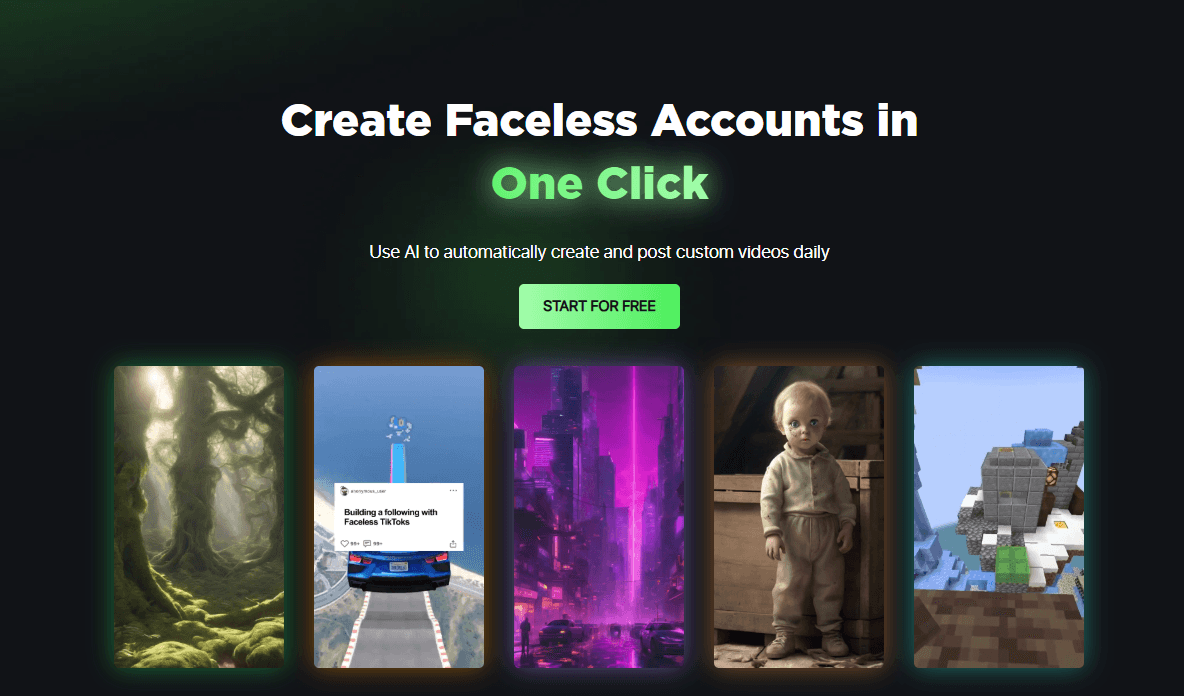
Faceless.video:
Faceless.video simplifies video creation for faceless marketing campaigns. Its drag-and-drop interface allows you to create professional videos without technical expertise. The tool offers customizable templates, making it easy to tailor content to your niche. You can also add text overlays, animations, and royalty-free music to enhance engagement.
Pros:
- User-friendly interface.
- Wide range of templates for various industries.
- Quick video production.
Cons:
- Limited advanced editing features.
- Less suitable for long-form content.
Faceless.video works well for businesses seeking simple and fast video solutions. It’s ideal for creating short promotional clips or tutorials.
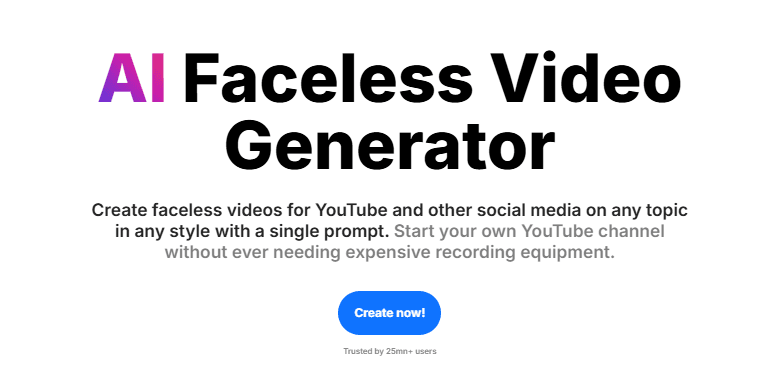
Invideo.AI:
Invideo.AI specializes in AI-driven video editing. It uses machine learning to analyze your content and suggest improvements. The platform includes features like automated subtitles, voiceovers, and scene transitions. Its AI-powered tools help you create polished videos that resonate with your audience.
Pros:
- Advanced AI editing capabilities.
- Automated subtitle generation.
- High-quality output for diverse formats.
Cons:
- Steeper learning curve for beginners.
- Subscription costs may be high for small businesses.
Invideo.AI suits marketers who want to produce high-quality videos with minimal manual effort. It’s particularly effective for storytelling and product demonstrations.
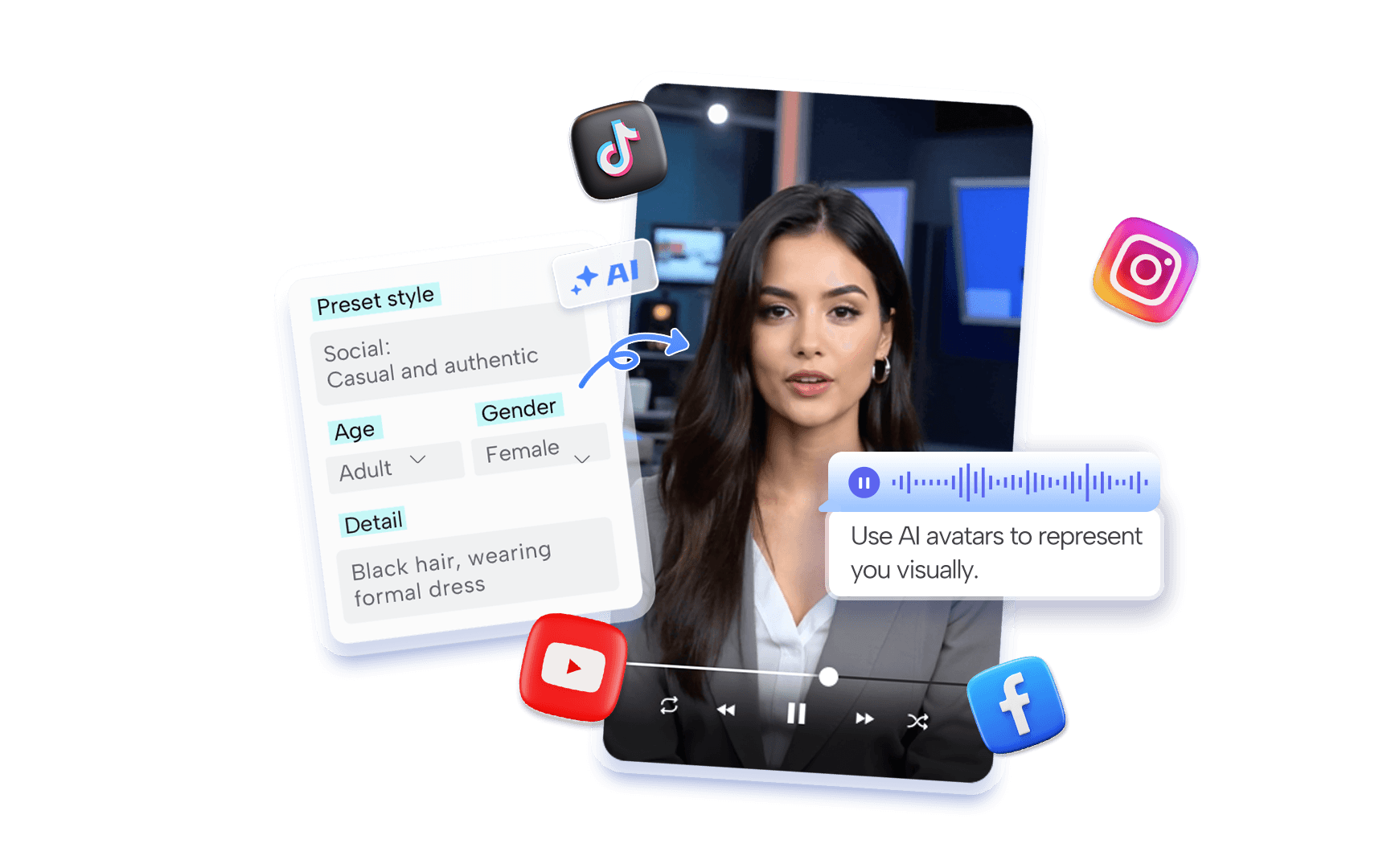
JoggAI - Best Faceless Digital Marketing Video Generator
JoggAI stands out as the best tool for faceless digital marketing. It offers cutting-edge features, including AI avatars that replace users on camera. These avatars mimic human expressions and gestures, making your videos more authentic and relatable. JoggAI also provides advanced analytics to track video performance and audience engagement.
Pros:
- AI avatars enhance credibility and authenticity.
- Advanced analytics for performance tracking.
- Easy integration with other marketing tools.
Cons:
- Limited customization for avatar appearance.
JoggAI’s ability to create lifelike AI avatars sets it apart. This feature allows you to maintain anonymity while building trust with your audience. It’s perfect for brands that prioritize privacy and authenticity.
Comparison Table of the Three Tools
| Tool | Key Features | Pros | Cons | Best For |
|---|---|---|---|---|
| Faceless.video | Drag-and-drop interface, templates | Easy to use, fast video creation | Limited editing features | Short promotional clips |
| Invideo.AI | AI editing, automated subtitles | High-quality output, advanced AI | Steep learning curve | Storytelling, product demos |
| JoggAI | AI avatars, advanced analytics | Authentic videos, performance tracking | Limited avatar customization | Privacy-focused faceless brands |
Highlight JoggAI’s Ability to Create AI Avatars for Authentic Videos
JoggAI revolutionizes faceless marketing with its AI avatar technology. These avatars replicate human expressions, making your videos feel genuine and relatable. Unlike other tools, JoggAI bridges the gap between anonymity and authenticity. This feature empowers you to connect with your audience without revealing personal details. For privacy-conscious brands, JoggAI offers a unique advantage that enhances trust and engagement.
Conclusion of Faceless Digital Marketing
Faceless digital marketing in 2025 offers unmatched scalability and cost savings, but success hinges on balancing automation with creativity. Tools like JoggAI empower brands to produce credible, engaging content without compromising anonymity. As AI evolves, expect faceless strategies to dominate niches like e-commerce, SaaS, and education.
FAQ
How can faceless marketing build trust without a personal identity?
You can build trust by sharing your brand’s mission, values, and customer success stories. Consistent messaging, transparency, and engaging storytelling help create emotional connections. Tools like JoggAI enhance authenticity by using AI avatars to deliver relatable content.
What industries benefit most from faceless marketing?
Faceless marketing works well in industries like tech, eCommerce, education, and finance. These sectors prioritize privacy, scalability, and inclusivity. By focusing on universal messages and niche targeting, you can reach diverse audiences effectively.
Are AI tools necessary for faceless marketing?
AI tools simplify faceless marketing by automating tasks like content creation, analytics, and customer engagement. Tools like JoggAI, Invideo.AI, and Faceless.video help you create professional content, track performance, and maintain consistency without relying on personal branding.
