
Image Source: pexels
The online fashion market is growing fast. Experts say global sales will reach over $1 trillion by 2025. In the UK, 60% of clothing sales will be online by then. You can start small and still join this big market. Want to learn how to sell clothes online and succeed?
Key Takeaways
-
Pick the best platform. ThredUp works for busy sellers, Poshmark for trendy clothes, and Depop for vintage looks.
-
Get your clothes ready. Wash, iron, and take clear pictures to attract buyers. A good look helps build trust.
-
Price your items smartly by checking similar ones. Offer bundle deals to get more buyers interested.
-
Share your listings on social media. Use bright pictures and hashtags to reach more people. This can also inspire others to share your posts.
Best Places to Sell Clothes Online
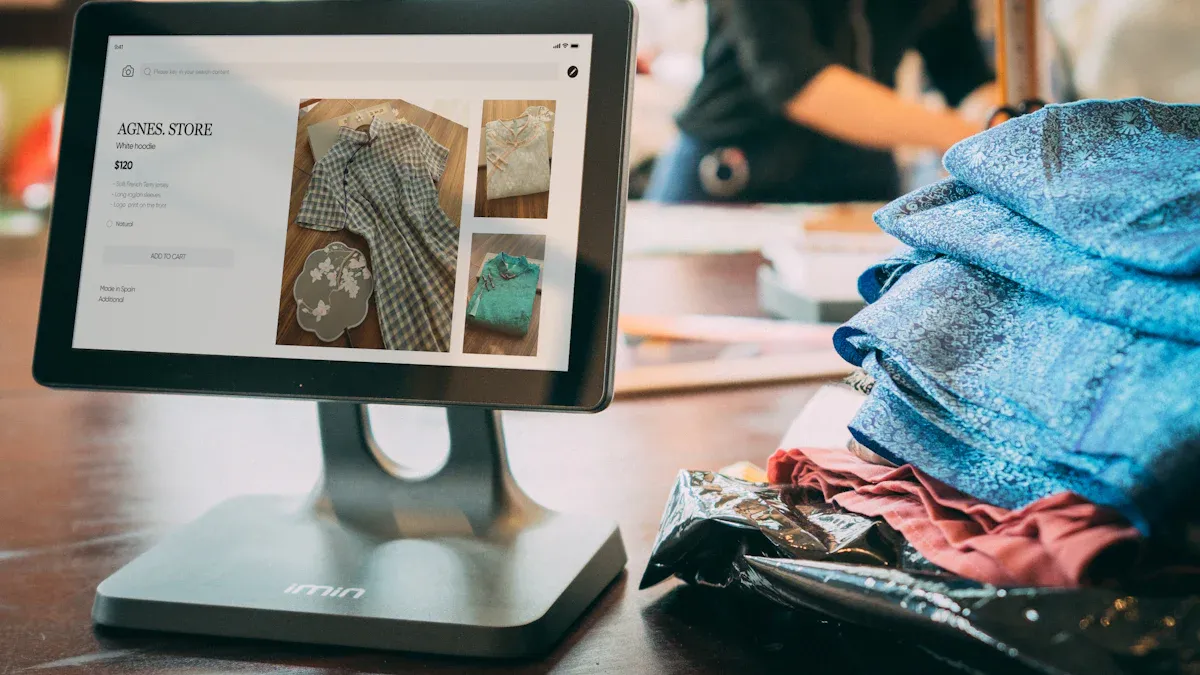
Image Source: pexels
Selling used clothes is now super simple with online platforms. But with so many choices, how do you pick the best one? Let’s look at some top places to sell clothes online and what makes them special.
Popular platforms like ThredUp, Poshmark, and Depop
Here are a few standout platforms for selling clothes:
-
ThredUp: This site is great if you want less work. Just send your clothes to ThredUp, and they’ll do the rest. It’s perfect for busy people cleaning out their closets.
-
Poshmark: Poshmark is great for selling trendy or branded clothes. You can chat with buyers, making it feel more personal.
-
Depop: Depop is ideal for selling vintage or streetwear to Gen Z. Its Instagram-like design is popular with younger shoppers.
Each platform fits different groups of people. For example, ThredUp is great for eco-friendly shoppers and parents on a budget. Depop is loved by Gen Z, with most users under 26. Poshmark is popular with Millennials who like brands like Zara and Madewell.
Comparing platforms based on fees, audience, and ease of use
Picking the right platform depends on fees, audience, and how easy it is to use. Here’s a quick breakdown:
| Platform | Fees | Audience Reach | Ease of Use |
|---|---|---|---|
| ThredUp | Varies; ThredUp takes a cut based on price | Eco-friendly and budget shoppers | Very easy; ThredUp does all the work |
| Poshmark | 20% commission over $15 or $2.95 under $15 | Fashion-focused, community-driven | Easy to list items |
| Depop | 10% commission + PayPal fees | Gen Z and vintage fans | Simple for younger sellers |
| eBay | 15-20% variable fees | Huge global audience | Harder to use, takes more effort |
If you’re selling designer clothes, Poshmark is a great choice. For casual or vintage styles, Depop works well. If you want to reach more people, eBay is a good option.
Choosing the right platform for your clothing type
Different platforms work better for certain clothes. For kids’ or maternity clothes, ThredUp is a smart pick. It’s popular with parents and women looking for affordable styles.
For trendy or seasonal clothes, Poshmark and Depop are great. Poshmark users love big-name brands, while Depop is perfect for unique or vintage styles. Selling luxury items? Try The RealReal or Vestiaire Collective, which focus on high-end fashion.
The online fashion market is growing fast, with sales expected to hit $1 trillion by 2025. More people are shopping online for convenience, good prices, and global brands. By picking the right platform for your clothes, you can sell more and make the most of this trend.
Getting Clothes Ready to Sell
Before listing clothes online, make sure they look great. Buyers prefer clean, neat, and attractive items. Here’s how to prepare your clothes to impress buyers.
Cleaning and ironing clothes to look their best
First impressions are important when selling clothes online. Clean and smooth clothes look better in pictures and show you care about quality. Check the care tags on your clothes for cleaning instructions. These tags help you wash fabrics correctly and keep them looking good. Following these steps can prevent damage and keep buyers happy.
After cleaning, iron or steam your clothes to remove wrinkles. Wrinkle-free clothes look more professional and appealing. Fold or hang them neatly for better photos. Good presentation can attract buyers and save time later. Clean, well-prepared clothes build trust and encourage repeat customers.
| Benefit | Description |
|---|---|
| Saves Time | Prepping clothes quickly lets you focus on selling. |
| Cleaner Clothes | Fresh clothes meet buyer expectations and make them happy. |
| Builds Trust | Neat items encourage buyers to shop with you again. |
Taking clear photos to show off your clothes
Photos are the first thing buyers notice online. Great pictures can help your items sell faster. Companies like Amazon have boosted sales by improving product photos. Here’s how to take better pictures:
-
Use bright, natural light to make colors stand out.
-
Pick a simple background, like a plain wall or hanger.
-
Take pictures from different angles to show details.
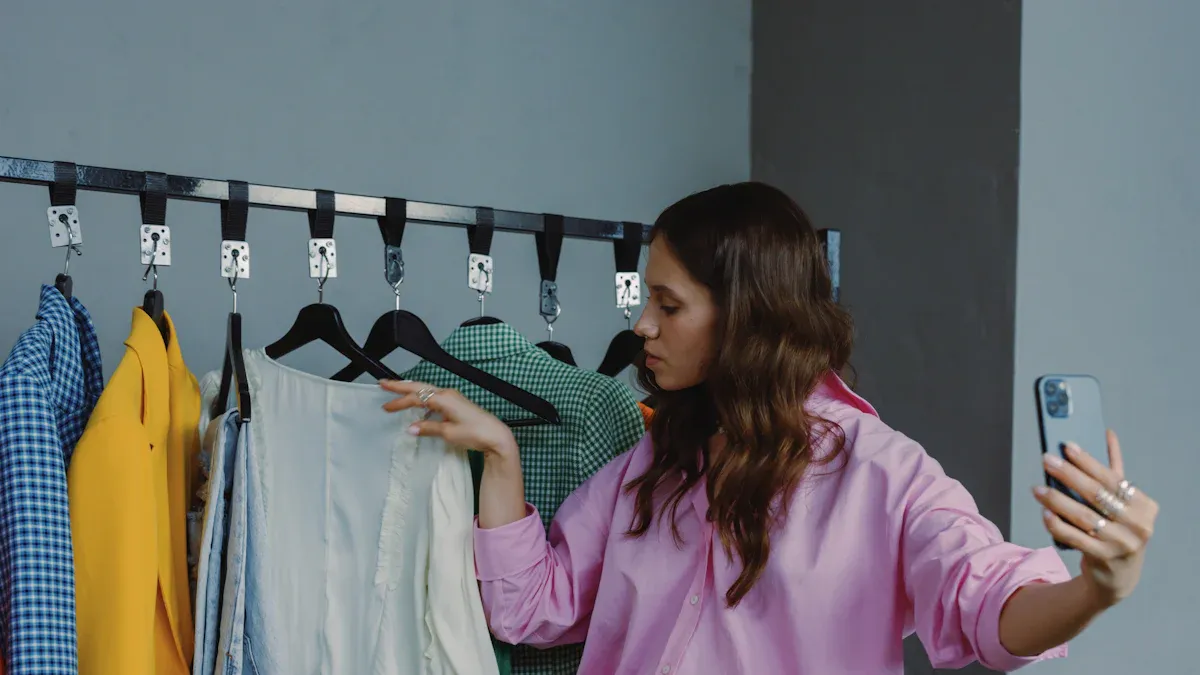
If your clothes look better worn, try modeling them or using a mannequin. Showing clothes on people helps buyers imagine wearing them. This can make them more likely to buy.
Writing clear descriptions to attract buyers
Pictures grab attention, but descriptions help buyers decide. Include details like size, brand, material, and condition. Be honest about flaws to build trust and avoid returns.
Most shoppers think descriptions are very important when buying. Poor descriptions can lead to returns. Use clear words to describe your items. For example:
-
Instead of “Nice dress,” write: “Red cotton dress, size M, excellent condition.”
-
Mention special features like “pockets” or “adjustable straps.”
Add keywords buyers might search for, like “vintage jacket” or “formal gown.” This helps your items show up in searches and sell faster.
Listing and Pricing Items Effectively
How to price your clothes competitively
Setting the right price helps attract buyers and earn more. Start by checking similar items on the platform you’re using. See what others charge for clothes like yours. This helps you pick a fair price that buyers will like.
Most shoppers compare prices before buying. About 83% of them do this. If your price is too high, they may skip your item. But pricing too low means you’ll make less money. A good price makes your clothes appealing and keeps profits steady.
You can also try special pricing methods like bundles or dynamic pricing. Bundles let you sell a group of items together, giving buyers more value. Dynamic pricing changes prices based on demand, keeping you competitive. Here’s a quick look at pricing strategies:
| Pricing Strategy | Benefit |
|---|---|
| Personalized Pricing | Increases sales by 10% and improves profit margins by 2-5%. |
| Bundle Pricing | Boosts order value by offering more for less. |
| Dynamic Pricing | Adjusts prices with demand to maximize sales. |
Tips for creating attention-grabbing listings
Your listing is your chance to impress buyers. Start with a clear, catchy title. Add details like brand, size, and style. For example, instead of “Cool Shirt,” write “Vintage Levi’s Denim Shirt, Size M.” This grabs attention and tells buyers what you’re selling.
Use bullet points to list key features. Mention things like “100% cotton,” “easy to wash,” or “great for summer.” Buyers like knowing why your item is special. Adding personal notes like “Worn only twice” builds trust and makes your listing unique.
Photos are super important too. Bright, clear pictures make your clothes look great. Take photos from different angles and show close-ups of details like buttons or patterns. Listings with good photos often sell faster.
Using keywords to improve search visibility
Keywords help buyers find your items. Think about what people might type when searching for clothes like yours. Use specific words like “vintage jacket” or “formal dress” in your title and description. This helps your listing show up in searches.
Using keywords well can make a big difference. Studies show e-commerce brands rank for about 1,783 keywords. These keywords bring in 40.2% of their revenue through search results. That’s a big chance to get buyers without paying for ads.
Use AI Tools to Boost Your Sales
Selling clothes online can be tough, but AI tools can help. They make tasks easier, save time, and connect you with buyers. Let’s see how JoggAI can improve your selling experience.
How JoggAI Product Quick Ads can help
Making ads can feel hard, especially for beginners. JoggAI Product QuickAds makes it simple. This tool helps you create great ads fast, so you can focus on selling instead of struggling with ads.
Here’s why JoggAI Product Quick Ads is awesome:
| Metric | Description |
|---|---|
| Speed of ad creation | Make product image/video ads in minutes and show products to buyers quickly. |
| Cost efficiency | Save money by skipping pricey designers. Create more ads for less. |
| Showcase with Model | Display your clothes with AI fashion models. |
| Scalability | Works for small sellers and big businesses alike. |
With JoggAI, you can make ads that stand out and sell more. It’s great for sellers who want to shine in a busy market. Try it here: JoggAI Product Quick Ads.
Using URL to Video to create engaging video content for your listings
Videos are a big deal for online sales. They show your clothes in action and make listings more fun. JoggAI’s URL to Video tool turns product links into cool videos in seconds.
Why use videos?
-
Brands with shoppable videos sell 3.4 times more than those without.
-
Livestream shopping and video ads boost customer interest and quick buys.
Videos give buyers a better feel for your clothes. They help people imagine wearing them, making your listings more exciting. This leads to more sales.
With JoggAI’s URL to Video tool, you don’t need fancy gear or skills. Just paste your product link, and the tool does the work. Start making videos today: JoggAI URL to Video.
Tips for Successful Selling
Sharing your listings on social media
Social media can help you sell clothes faster. Apps like Instagram, Facebook, and TikTok let you show your items to many people. Did you know 60% of Instagram users find new products there? That’s a big chance to get noticed!
Post clear, bright photos of your clothes. Add hashtags to help more people see your posts—hashtags can boost likes by 13%. If customers tag you in their photos, share those too. People trust real-life pictures 41% more than professional ones.
Ask buyers to share photos of what they bought. This is called user-generated content (UGC). UGC helped some brands grow their sales by 63% in one year. It’s free advertising and makes new customers trust you more.
Shipping and returns made simple
Quick shipping makes buyers happy. About 77% of U.S. shoppers will buy again if delivery is fast. Pack your items safely and send them quickly. Adding tracking numbers helps buyers feel secure.
Returns might seem annoying, but they matter. A survey showed 95% of shoppers return if the process is easy. If someone needs to return an item, handle it kindly. A smooth return can turn a one-time buyer into a loyal customer.
Selling clothes online can be simple and fun. Follow easy steps to turn your closet into cash. Choose the best platform for your clothes. Make sure they look clean and neat. Create listings that catch buyers’ eyes. Tools like JoggAI help you promote items quickly and easily.
Online shopping trends show why standing out matters. For example:
-
56% of store purchases start with online browsing.
With these tips, you can start selling clothes online today. Take the first step and see how easy it is to succeed!
FAQ
How do I know if my clothes will sell online?
Check if your clothes are in good condition and match current trends. Popular items include branded, vintage, or seasonal styles. Platforms like Poshmark and Depop show what’s trending. If your clothes fit these categories, they’re likely to sell.
What’s the best way to price my clothes?
Look at similar items on your chosen platform. Compare prices to find a competitive range. Use bundle pricing to offer deals and attract buyers. Fair pricing helps you sell faster and keeps customers happy.
Do I need professional photos for my listings?
No, but clear photos make a big difference. Use natural light and a simple background. Show details like buttons or patterns. If possible, model the clothes or use a mannequin. Great photos help buyers trust your listings.
How can I promote my listings without spending money?
Social media is your best friend! Share your listings on Instagram, Facebook, or TikTok. Use hashtags to reach more people. Ask buyers to share photos of their purchases. User-generated content builds trust and boosts sales.
What should I do if a buyer wants to return an item?
Handle returns kindly and quickly. Offer clear instructions for the process. Easy returns build trust and encourage repeat customers. Happy buyers often come back and recommend you to others.