
Playback: Who is Tilly Norwood and Where Did She Come From?
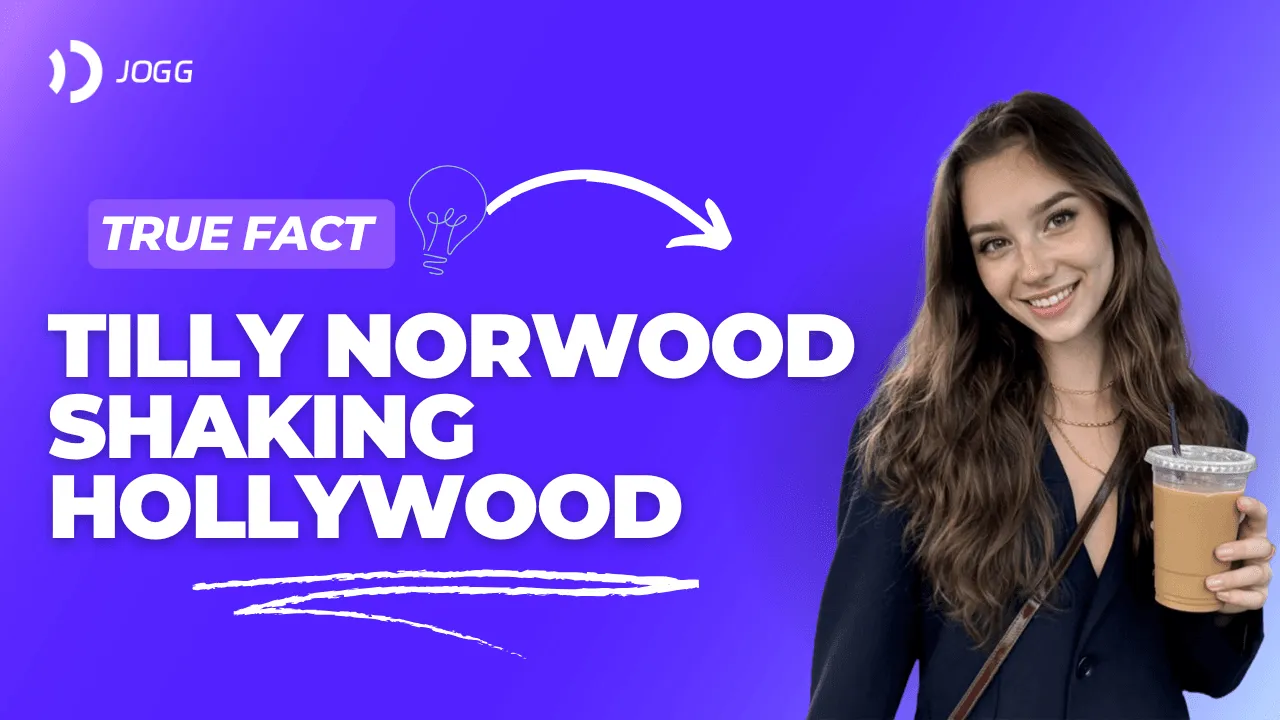
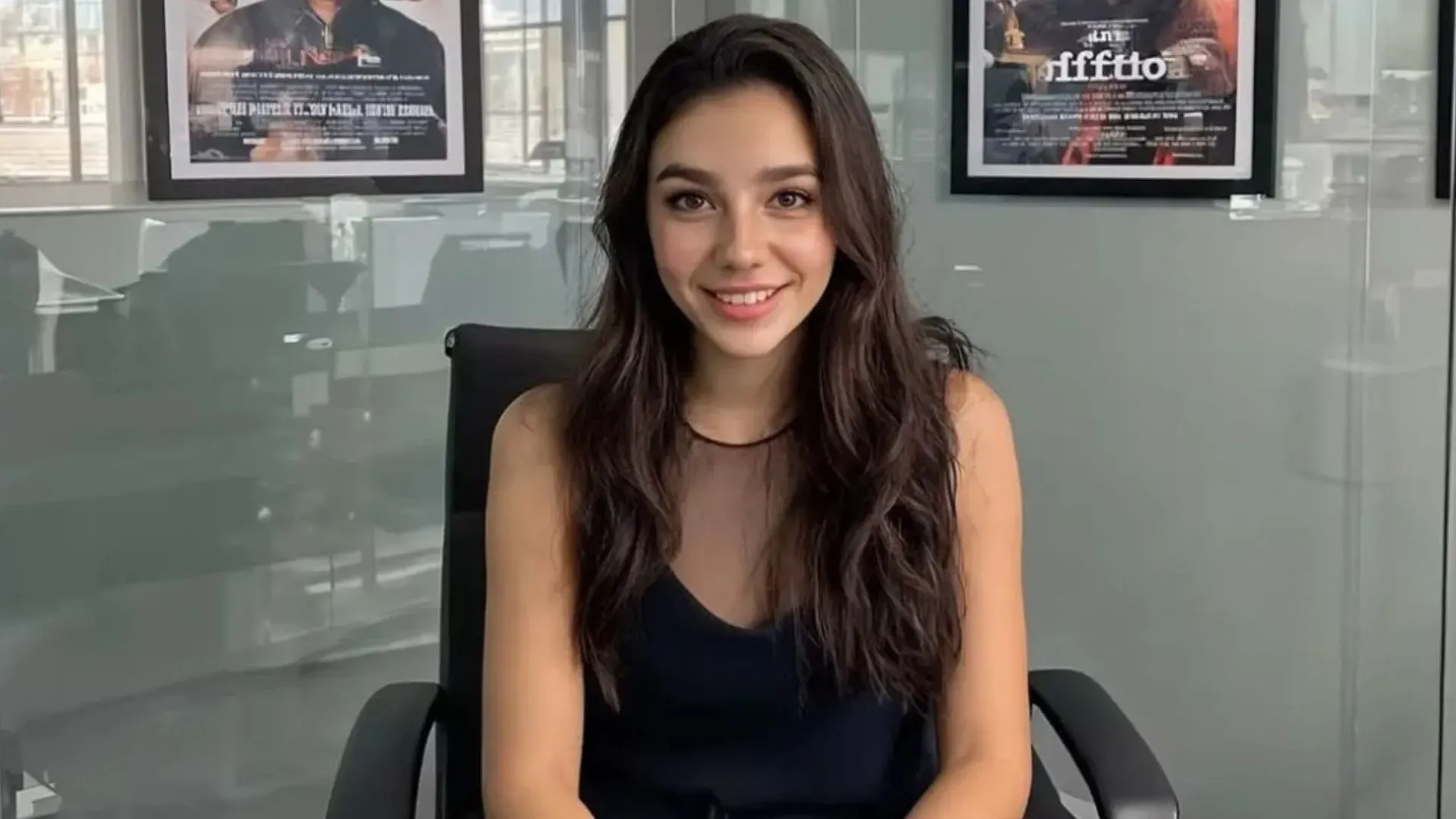
Tilly Norwood is a fully AI-generated character unveiled in 2025 by Dutch creator Eline Van der Velden and her team. She debuted as an “AI actor” around the Zurich Film Festival’s industry conversations and immediately triggered heated debate in Hollywood. The University of Virginia’s Darden School captured the tension crisply in its analysis, AI ‘Actor’ Tilly Norwood Isn’t Real, But Could Present Real Problems for Hollywood, noting that while she’s not real, the consequences may be for business models and labor.
CBS News pushed the story to a broader audience with AI-generated actor sparks outrage in Hollywood, highlighting SAG-AFTRA’s public resistance and the anxieties of working performers. For a more philosophical take on craft and empathy, The Conversation’s piece argues that real acting requires lived human experience, something synthetic talent can only simulate on the surface.
Expanded Reporting Highlights: How Public Opinion, Unions, and Media Describe Tilly
-
Darden’s business and audience lens:
Darden situates Tilly at the crossroads of cost-speed production and audience acceptance. On one hand, she showcases the possibility of producing “on-camera” content faster and cheaper; on the other, the human experience gap remains stubborn—“looking the part” isn’t the same as performing. That’s central to why many argue she isn’t truly an “actor”: she lacks the underpinnings of lived experience and empathy. -
CBS’s frontline sentiment and storytelling:
CBS states plainly that Tilly is a “100% AI-generated product,” with her creator comparing her to “the next Scarlett Johansson” and claiming “multiple agencies are competing to sign” her. But the coverage quickly pivots to the broad backlash: fears of job displacement and opaque training/compensation. The accompanying videos repeatedly show the chain of “signing buzz → public pushback → union stance.” -
International/mainstream profiles and definitions:
Wire copy leans on the headline point of union condemnation, emphasizing that Tilly is a computer generated character and warning about training on professional actors’ work without consent or compensation. The Guardian, Entertainment Weekly, and other elevate the story into one about industry ethics and labor rights, cataloging statements and calls for resistance from high-profile performers.
Why She “Looks Like an Actor but Isn’t One”
Under the hood, Tilly’s “performance” is a multi-model composite (face, lips, voice, motion) curated into a polished camera output. That makes her convincing in the frame, but it doesn’t grant the lived experience → emotional memory → improvisation chain that actors draw upon. Hence many observers prefer labeling Tilly a digital/AI character, not an actor in the craft sense.
Five Points of Controversy
-
Humanity & performance depth. Empathy is hard to fake at scale; the surface can be perfect yet feel hollow.
-
Data rights & training consent. If human likenesses or performances seeded the training without permission or pay, expect legal and reputational blowback.
-
Representation & compliance. “Signing” an AI raises new questions about contracts, credits, and reuse.
-
Costs & substitution. In functional video (ads, explainers, training), AI talent can be fast, consistent, and cheap, pressuring budgets and roles.
-
Audience acceptance. Novelty fades; can an AI persona sustain engagement beyond the headline?
The Cost & Efficiency Ledger
Compared with conventional shoots, AI characters don’t need casting, travel, or overtime; they deliver 24/7 throughput, consistent looks, and minutes-to-video turnarounds. That’s why producers exploring e-commerce explainers, help-center videos, internal training, and short-form promos are paying attention—even as they weigh the risks above.
Tech Status: From “Simple Clone” to “Controllable Persona”
-
Today’s baseline: text-to-speech, lip-sync, basic expressions/body motion, “Talking Photo,” and script-to-video pipelines.
-
Prompting for persona control: refine tone, pacing, wardrobe, and camera behavior via prompt engineering and templates to harden a brand-safe personality.
-
Near term reality: full replacement of dramatic leads is unlikely right away, but supporting/host/stylized roles will spread quickly across high-volume content.
Three-Stage Future Trajectory
-
Ads / Info / Tutorials first — low emotional depth, high speed/consistency needs.
-
Show hosts & brand personas — stable “digital presenter” roles that anchor recurring formats.
-
Feature supporting roles — especially in genre and hybrid animation/live-action projects.
Hands-On: Two Paths to Generate AI Avatars/“AI Actors” with JoggAI

JoggAI — AI Influencer Generator
Spin up a reusable virtual spokesperson from text or images with consistent looks across videos: jogg.ai/tools/ai-influencer-generator.
Use cases include product demos, social ads, how-to explainers, and brand storytelling. Tools like URL-to-Video and Look Stylizer help you batch content for different pages, outfits, and scenes without resetting the pipeline each time.
JoggAI — AI Actors / Voice Avatar
Build “AI actor” style outputs with 10,000+ voices, voice cloning, lip-sync, and script-to-screen workflows: jogg.ai/tools/ai-actors.
Ideal for news briefs, short ads, and training modules where speed, cost, and consistency matter more than deep dramatic range.
Bottom line: You can already create simple clones and tighten them into a reliable persona via prompts. Given current momentum, AI substituting some actor tasks—especially in functional video—looks increasingly near-term.
Reference Case: JoggAI’s “Amber” Persona
JoggAI often demos a character named Amber to show end-to-end results. Treat Amber as a persona template: swap in your industry language, scenes, and wardrobe to produce a brand-aligned digital human at scale.
Media Videos: Tilly Norwood’s On-Site Controversy
-
**CBS report: **AI-generated actor sparks outrage in Hollywood
-
**Darden analysis: **AI ‘Actor’ Tilly Norwood Isn’t Real, But Could Present Real Problems for Hollywood
-
Craft perspective:Real acting requires humanity (The Conversation)
Risk Checklist & Compliance Template
-
Permissions & training data. Keep auditable proof for any images, voices, and likenesses involved.
-
Labeling & transparency. Clearly indicate “AI-generated / AI character” in credits or captions—especially when using outputs from JoggAI’s AI Actors or AI Influencer Generator.
-
Contracts & reuse. Define copyright ownership, geographic/media scope, duration, and guardrails for voice/image cloning.
-
Internal SOP. Maintain a prompt library, persona bible, script templates, and release checklists to keep teams aligned.
Decision Checklist (Fast Start for Brands)
-
Pick low-risk, high-reuse videos first: product FAQs, onboarding, help-center clips.
-
Hybrid workflow: humans steer creative direction; AI delivers scalable on-camera production.
-
A/B test at scale with JoggAI personas and voice variants; ship only what the data proves.
-
Accumulate assets: lock a small set of brand-safe digital humans and reuse them across channels.
-
Make compliance visible: add a short disclosure and keep permission logs for every video.
FAQs
Q1: In what way does Tilly Norwood “look like an actor”?
She frames well on camera—lip-sync, expressions, and shot coherence—but lacks the human experience and improvisation actors draw upon, as discussed in the Darden and The Conversation pieces (Darden, The Conversation).
Q2: Why is Hollywood’s reaction so strong?
Because it touches labor substitution, training/compensation transparency, and creative ethics, as shown in the CBS coverage.
Q3: What “clone level” can I achieve with JoggAI right now?
Simple cloning of looks and voice with lip-sync and multilingual options—good enough for ads, explainers, tutorials, and info shorts via AI Influencer Generator and AI Actors.
Q4: Where does JoggAI’s cost advantage appear?
No studio scheduling, minutes-to-video, and batch reuse—crucial for e-commerce catalogs, social ads, and training libraries
Q5: How do I handle “real vs. fake” concerns?
Add human-interest beats (customer stories, before/after arcs) and label AI clearly—and link to context sources like Darden’s analysis to show due diligence.
Q6: When will AI replace more acting roles?
Functional video will lead the way; feature-length dramatic leads will take longer. In the near term, expect more supporting/host/stylized AI roles.
Conclusion & Next Steps
The reporting trail paints Tilly Norwood as a not-real but high-impact case study for AI on camera: Darden stresses the human experience threshold for sustainable connection; CBS documents the outrage and union stance; and The Conversation reinforces the craft and empathy gap. Rather than waiting for full replacement, use JoggAI now—start with AI Influencer Generator and AI Actors to cut costs, accelerate production, and build reusable digital-human assets, while maintaining clear labeling and permissions.
For a living example of persona design and delivery, study Amber on YouTube and adapt the template to your brand.