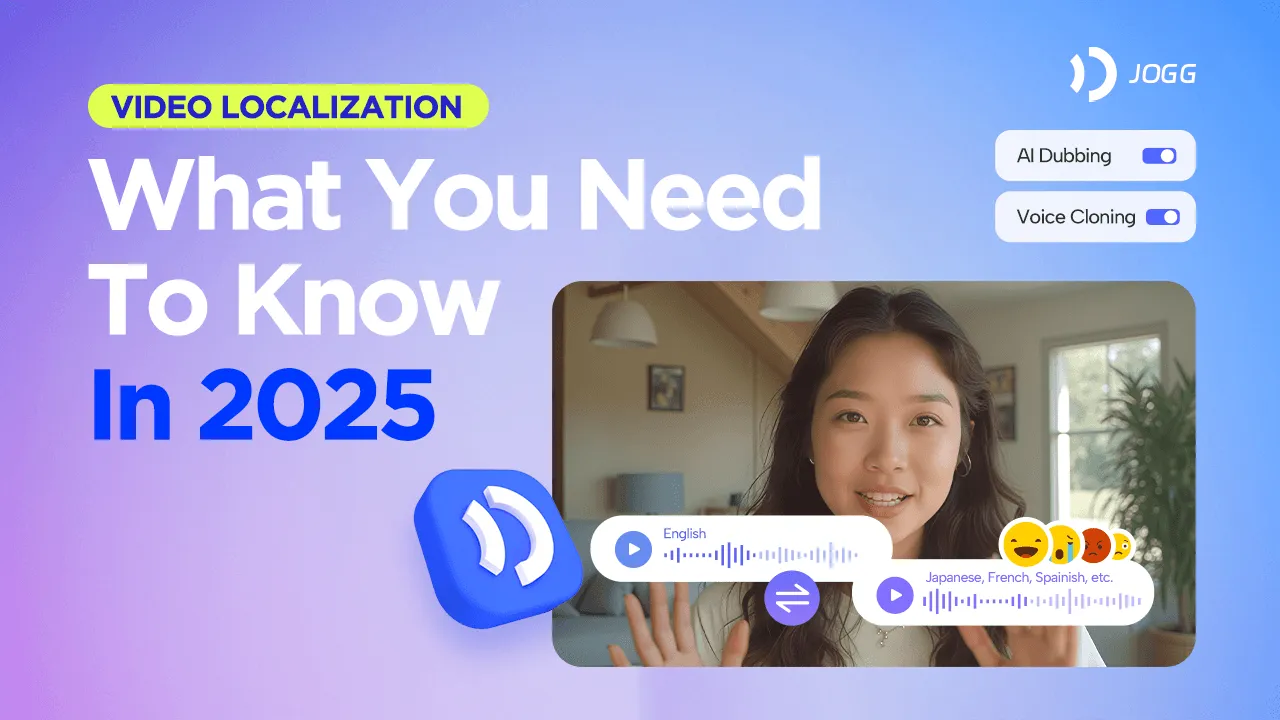

In 2025, video content dominates digital landscapes like never before. A staggering 91% of businesses now use video as a core marketing tool, with 87% of marketers crediting video for directly boosting sales. Platforms like YouTube and TikTok generate over 1.7 billion hours of video daily, while global video translation services are projected to grow from $1.7 billion in 2025 to $4.5 billion by 2033, reflecting an 11.5% CAGR. Yet, as creators flood the digital space, a critical question arises: Why is video localization not just an option but a necessity?
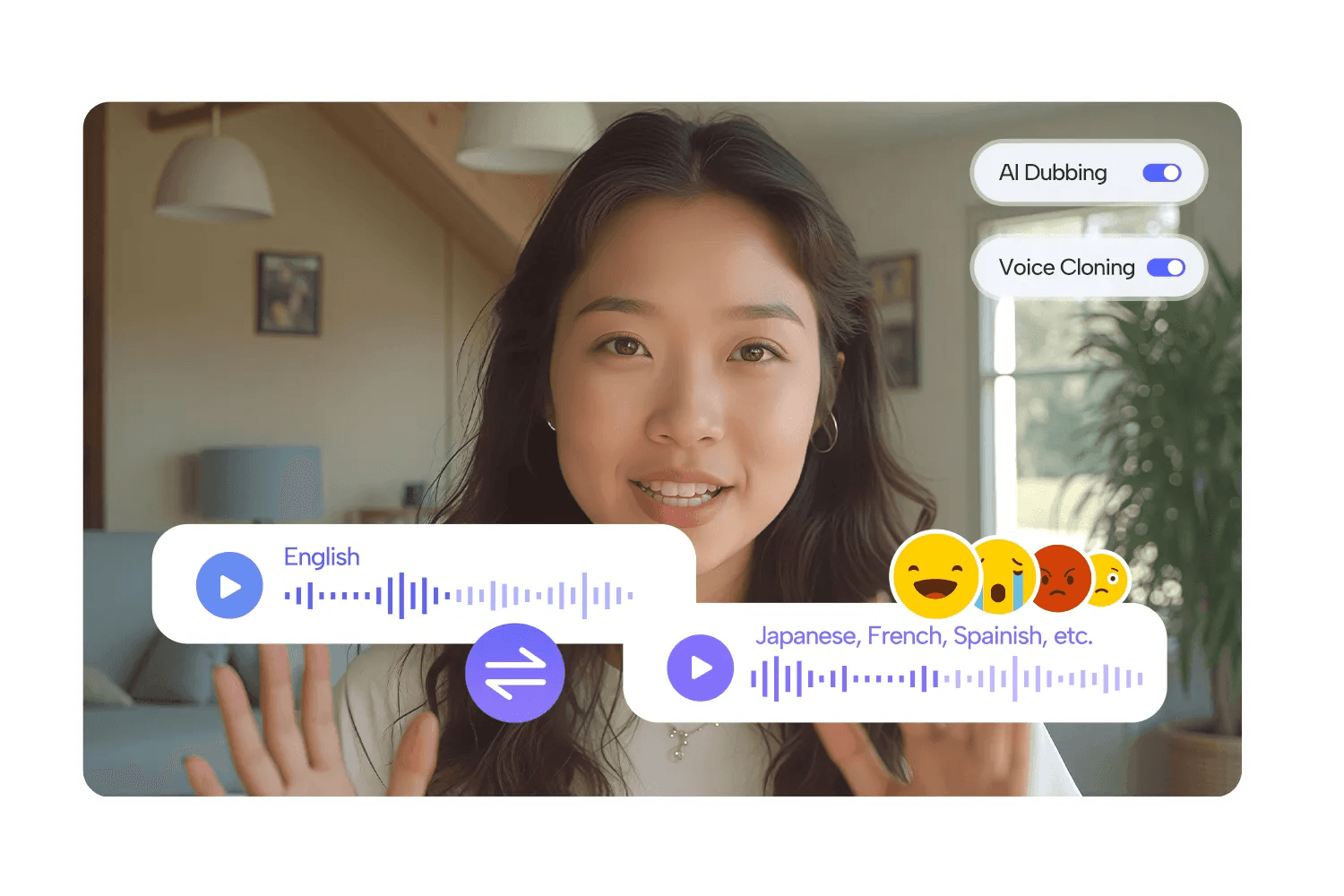
Localization transcends mere translation—it adapts humor, cultural references, and pacing to resonate deeply. For instance, Netflix’s regional content libraries vary by over 80% across countries, and platforms like TikTok thrive by tailoring campaigns to local festivals and dialects.Ignoring these nuances risks alienating audiences, while embracing them unlocks markets where 72% of consumers prefer content in their native language.
As video creation surges, localization emerges as the linchpin for global relevance. But how can creators balance authenticity with cultural adaptation? The answer lies in understanding that localization isn’t just about language—it’s about connection.
What is video localization
Video localization is the process of adapting video content to make it more accessible and engaging for audiences in different languages and cultures. It goes beyond simple translation and involves modifying various aspects of the video, including audio, visuals, and cultural references, to ensure it resonates with the target audience.
Why is video localization needed
Video localization has evolved from a niche strategy to a cornerstone of global content strategy. True localization adapts language, cultural nuances, humor, and visuals to resonate with diverse audiences. Below, we dissect four critical reasons why video localization is indispensable, supported by empirical evidence and case studies.
Reaching a Wider Audience
Language remains the primary barrier to global content consumption. While 72% of consumers prefer websites in their native language, videos that ignore linguistic and cultural nuances risk alienating non-native speakers. For instance, Netflix’s investment in localized content enabled it to gain 200 million international subscribers, with non-English shows like Squid Game and Money Heist becoming global phenomena.
Localization also unlocks emerging markets. TikTok’s success in Southeast Asia—where it amassed 107.7 million users in Indonesia alone—stems from tailoring content to regional dialects and festivals. By integrating Thai street food culture or Malaysian Ramadan traditions, TikTok transformed into a cultural bridge, proving that linguistic adaptation drives audience expansion.
Improving Engagement
Culturally relevant content drives deeper engagement. Research shows 90% of viewers prefer videos in their native language, while localized ads achieve 30% higher engagement rates than generic campaigns. For example, Coca-Cola’s “Share a Coke” campaign personalized bottles with local names, boosting sales by 7% in the U.S. and 11% in Australia.
Non-verbal cues also matter. A smile in Japan conveys politeness, while in Brazil, it signifies warmth. TikTok’s localization strategy in the Philippines involved collaborating with grassroots creators to produce content in local dialects, resulting in 2.5x higher shares during cultural festivals. Such adaptations ensure content feels native, fostering emotional connections and prolonged viewer retention.
Avoiding Cultural Misunderstandings
Cultural missteps can irreparably damage a brand. KFC’s mistranslation of “Finger Lickin’ Good” into Chinese as “Eat Your Fingers Off” became a cautionary tale. Similarly, Pepsi’s slogan “Come Alive” was misinterpreted in Taiwan as “Bring ancestors back from the dead”, highlighting the risks of neglecting localization.
Proactive localization mitigates such risks. TikTok’s Malaysian team recruited bilingual hosts to navigate religious sensitivities during Ramadan, while its multilingual audit teams ensured content aligned with local norms. By adapting idioms, gestures, and symbols—such as avoiding public fish-and-chip consumption in Brighton, a tourist faux pas—brands safeguard their messaging.
What are the main methods for video localization
Video localization involves adapting content for global audiences through various techniques. Each method has unique advantages and challenges, depending on budget, target audience, and content type. Below, we explore three core approaches: caption translation, voiceovers/dubbing, and lip-sync adaptation, with best practices and real-world examples.
Caption Translation
Best for: Cost-Effective Localization, SEO Optimization
Best Practice:
-
Original audio remains unchanged.
-
Text translations appear as subtitles (burned-in or optional).
-
Can include cultural adaptations (e.g. idioms, slang).
Pros
✅ Budget-friendly – 3-5x cheaper than dubbing.
✅ Faster turnaround – Ideal for time-sensitive content (news, social media).
✅ SEO benefits – Search engines index subtitles for better discoverability.
Cons
❌ Limited engagement – Viewers must read instead of watching visuals.
❌ Space constraints – Some languages (e.g. German) require longer text.
Best Practices
✔ Keep subtitles concise – 42 characters per line max (Netflix standard).
✔ Localize humor/references – e.g., “Super Bowl” → “Championship Final” (UK).
✔ Use SDH (Subtitles for the Deaf and Hard of Hearing) – Includes sound cues.
Case Study
TED Talks use multilingual subtitles, increasing non-English views by 60%.
Voiceovers & Dubbing
Best for: High Engagement, Narrative-Driven Content
How It Works
-
Voiceover: Original audio volume lowered, new voice track plays over it.
-
Dubbing: Original voices fully replaced with localized dialogue.
Pros
✅ Higher retention – 72% of viewers prefer dubbed content (BBC Media Action).
✅ Better storytelling – Ideal for animations, films, and documentaries.
Cons
❌ Expensive – Dubbing costs $50-$150 per minute (depending on language).
❌ Requires talent matching – Voice actors must align with character tone.
Best Practices
✔ Lip-sync adaptation – Adjust script pacing to match mouth movements.
✔ Cast native speakers – Avoids awkward phrasing (e.g., Latin American vs. European Spanish).
✔ Test with focus groups – Ensures emotional impact translates.
Case Study
Disney’s “Encanto” used region-specific dubbing (e.g., Colombian slang for Latin America), boosting Latin American box office revenue by 30%.
Lip-Sync Localization (AI & Manual)
Best for: Natural-Looking Dubbing, High-Budget Productions
How It Works
-
AI or manual editing adjusts lip movements to match translated dialogue.
-
Used in films, games, and high-end commercials.
Pros
✅ Seamless viewing experience – No disconnect between audio and visuals.
✅ Enhances realism – Critical for immersive media (e.g., VR, AAA games).
Cons
❌ Technically complex – Requires frame-by-frame editing or AI tools like Deepdub.
❌ High cost – Can exceed $200 per minute for manual sync.
Best Practices
✔ Use AI for rough sync – Tools like Respeecher clone voices for faster drafts.
✔ Prioritize key scenes – Fully sync only close-up dialogues.
✔ Combine with subtitles – For languages with drastic lip-movement differences (e.g., Japanese → English).
Case Study
Netflix’s “Money Heist” used AI lip-sync for minor characters, reducing localization time by 40%.
Globalize Your Video With JoggAI: Break Language Barriers in 3 Simple Steps
JoggAI’s Video Translator empowers creators and businesses to effortlessly localize videos for global audiences. Whether you need subtitles, voiceovers, or AI-powered dubbing, JoggAI delivers high-quality translations while preserving the original tone and emotion.
How to Translate Your Video with JoggAI
Step 1: Upload Your Video
Drag and drop your video file.
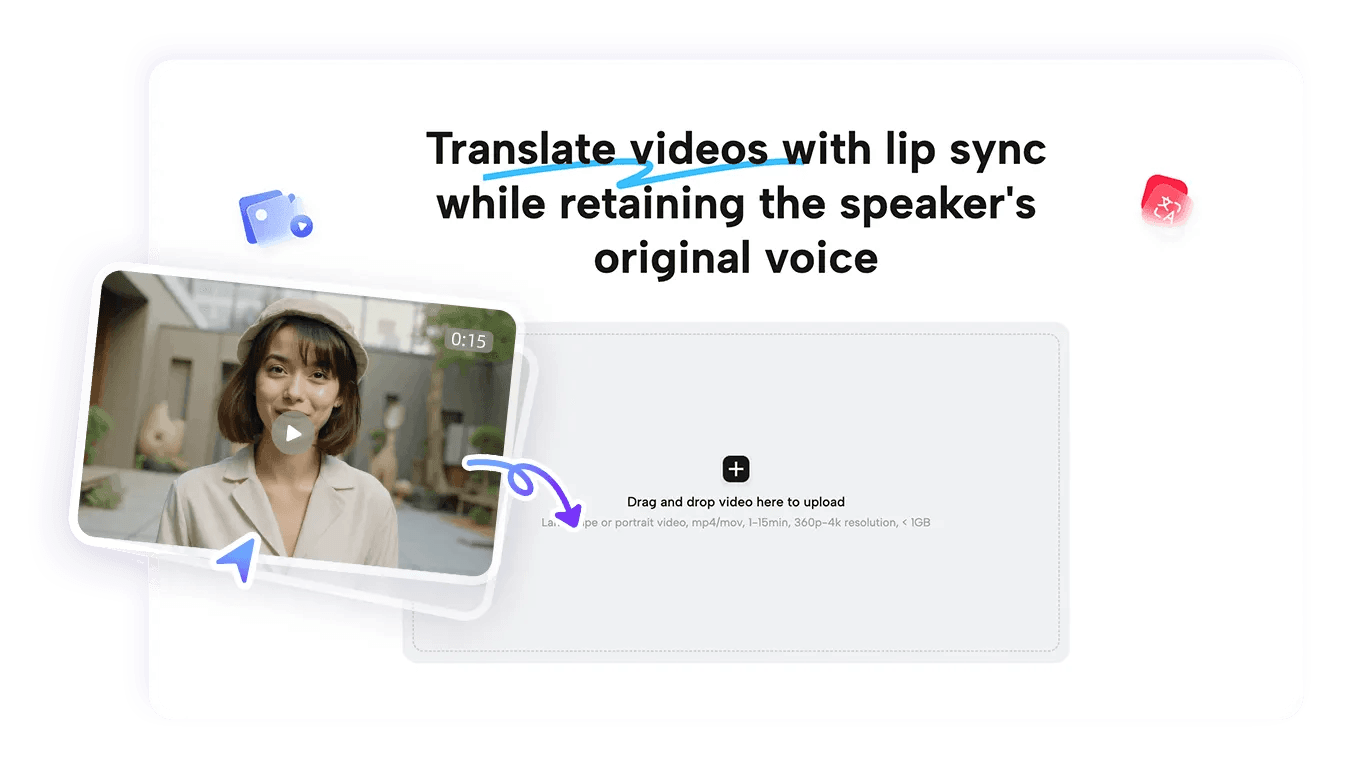
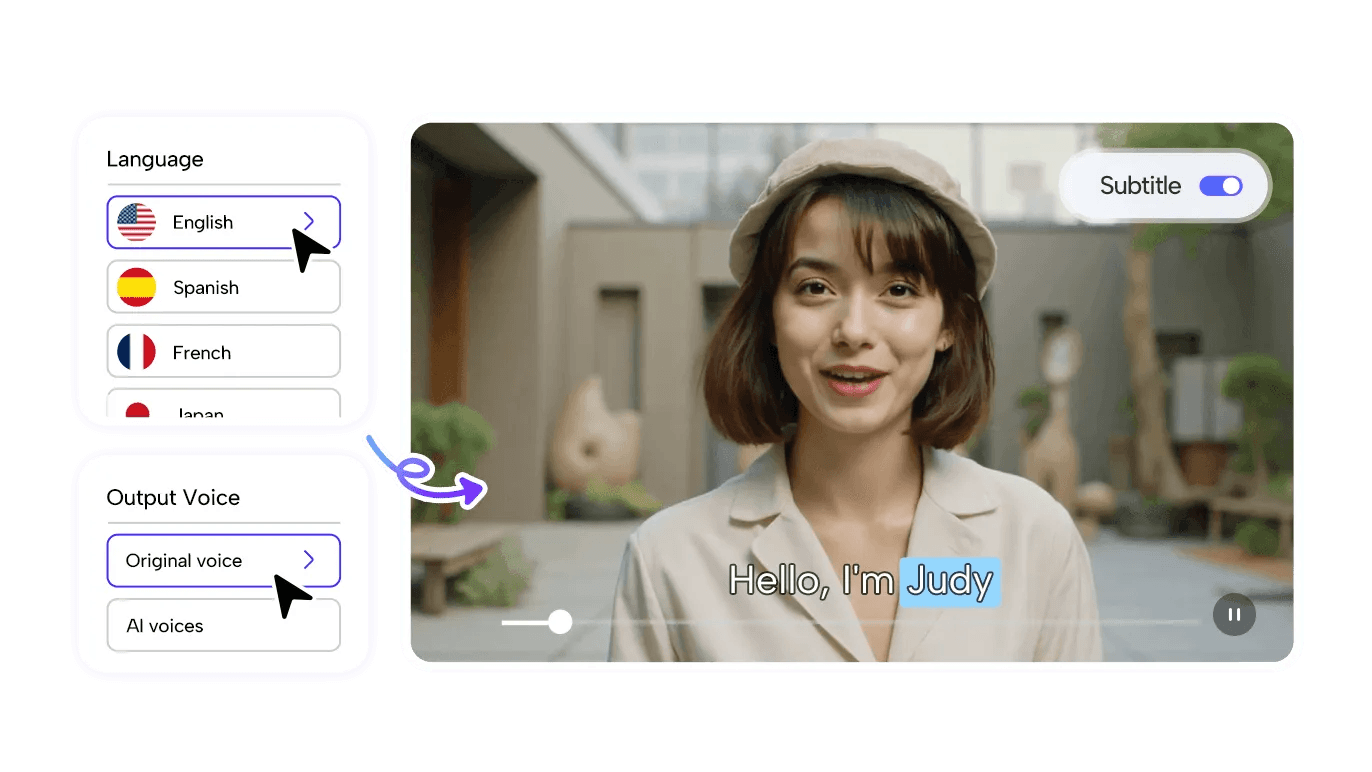
Step 2: Select Language & Voice
Choose your target language, select from 10,000+ AI voices (or clone your own), and enable perfect lip-sync. Add captions to make your content even more engaging.
Step 3: Generate & Download
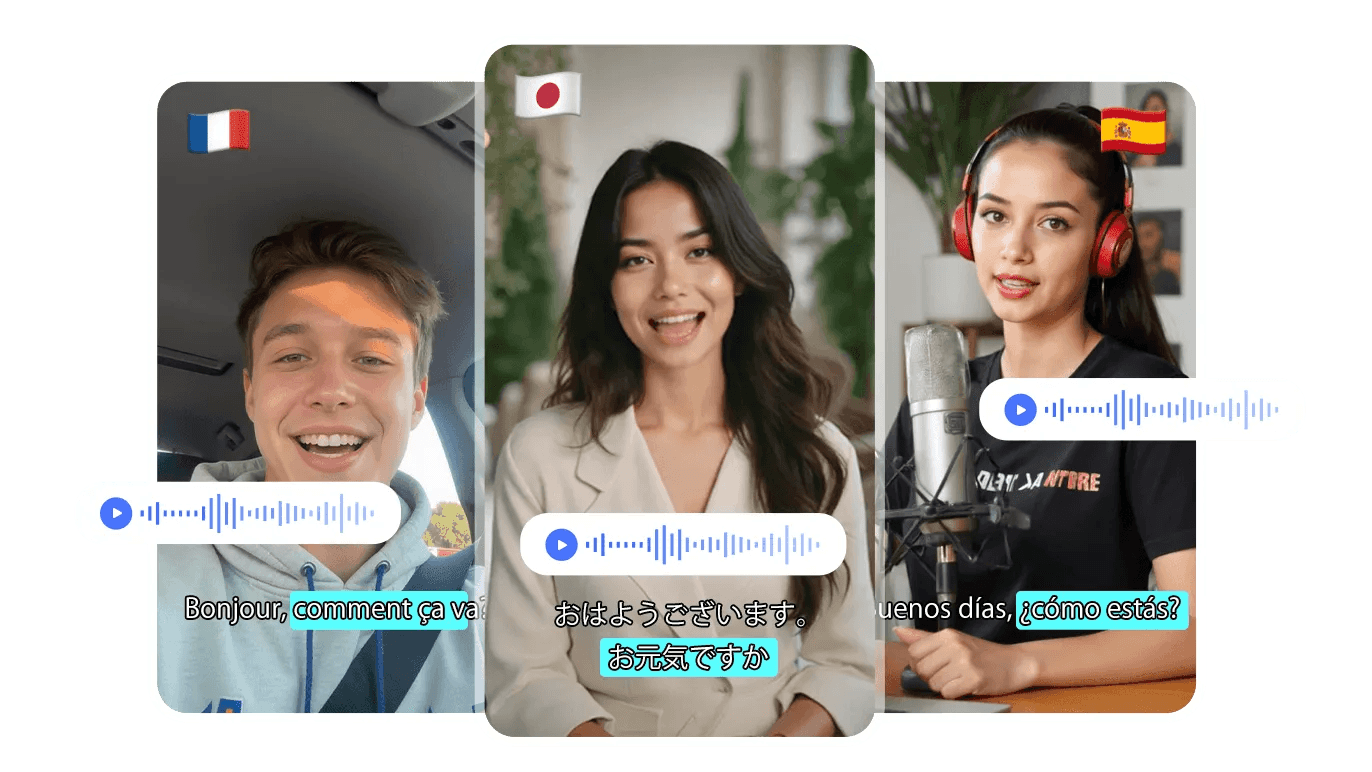
Click ‘Submit’ and your perfectly translated video with matched lip-sync will be ready within minutes.
Why Use JoggAI?
✅ Fast & Accurate – AI-powered translations with human-like fluency. ✅ Cost-Effective – No need for expensive dubbing studios. ✅ Engagement Boost – Reach 2x more viewers with localized content.
Ready to go global? Try JoggAI’s Video Translator today!